

Let’s get one thing straight. Coffee is not just for waking you up on a slow morning. If you only use beans to fill your mug, you are missing out on a huge trick in the BBQ world. It happened a thousand times.
People stand over their grills for hours trying to cook the meat properly. They do not know why it looks dull. They want that perfect, dark crust that everyone loves. They do not know the shortcut to get there. The answer is actually sitting right inside your kitchen pantry.
Using coffee on a steak is not about getting a caffeine buzz. It is about the bark. That dark and crunchy outside is what every real cook wants, and coffee makes it happen. You do not need those neon rubs from the store. If you want a flavor with real soul, you need the bean. It adds a smoky kick that makes meat taste even better. It connects the wood smoke to the rich fat of the meat. This is not fancy cooking. It is just better cooking.
Why Coffee Actually Works (The Science Part)
I’m not here to sell you on a gimmick or some weird “foodie” trend. There is actual, hard science behind why a coffee rub changes everything. When you coat a brisket or a rack of ribs in a layer of fine coffee, three major things happen the moment that meat hits the heat.
1. It Softens Up the Stubborn Stuff
Look, let’s be real. Some cuts of meat are just plain stubborn. If you have ever tried to mess with a brisket or a pork shoulder, you know they are packed with those tough, stringy fibers that take forever to soften up. You will end up getting a leather-like mean loaf if you don’t treat those cuts with a bit of respect.
At this point, you need your coffee. It is naturally acidic. You can use it as a meat tenderizer. The acid in coffee starts eating away at those tough bits the moment you apply it to meat. The process of tenderizing begins before the fire even touches the grill. The result is pure magic. A cheap, tough piece of beef comes out of the smoker feeling like warm butter. It stays juicy, it stays soft, and it pulls apart exactly the way it is supposed to.
2. It Builds the Perfect “Bark”
If you’ve ever seen a professional BBQ competition, you’ve noticed that the meat looks almost burnt on the outside—but it isn’t. That’s the “bark.” It’s the prize. Coffee beans are loaded with natural tannins and sugars. When these hit the heat of your smoker or grill, they go through a chemical reaction that creates a deep, dark, mahogany-colored crust. It’s a beautiful sight. But this bark isn’t just for show. It acts like a protective seal, locking all the natural juices inside so your meat doesn’t turn into dry sawdust during an eight-hour cook.
3. It Cuts Through the Grease
Real BBQ is fatty. There’s no way around it. Whether it’s a marbled ribeye or a thick pork belly, that fat is where the flavor lives. But let’s be honest—sometimes all that fat can feel a bit heavy or even greasy on the tongue. This is where coffee shines. The slight, natural bitterness in the bean acts as the perfect counterweight. It slices right through the richness of the grease and leaves you with a savory, “umami” flavor. It balances the palate so you can keep eating without feeling weighed down.
Picking Your Beans: Don’t Just Grab Anything
Do not just grab any random bag of coffee from your pantry and hope for the best. The roast you pick can make or break your dinner. Stay away from light roasts. They are too fruity and can turn sour or taste like metal once they hit the heat of the grill. You need the dark stuff. Look for oily beans that smell like dark chocolate, such as a French or Italian roast. These have deep, nutty flavors that can handle heavy wood smoke without disappearing. You want a coffee that is strong enough to stand its ground.
The “Sand” Trap: Getting the Grind Right
If you only listen to one piece of advice in this entire guide, make it this one: the grind is everything. A lot of guys make the mistake of using a coarse grind, like the stuff you’d put in a standard drip coffee maker. Do not do this. If the grounds are too chunky, they won’t melt. You’ll end up with a steak that feels like it was rolled in a sandbox. It’s a terrible texture and it’ll ruin a perfectly good piece of meat.
To get that world-class crust, you need an espresso grind. It should be a very fine, soft powder. When the grind is that fine, it actually dissolves into the meat’s juices as it cooks. It forms a smooth, dark paste that fuses with the meat. It becomes part of the crust rather than just sitting on top of it like a layer of dirt. If it doesn’t feel like flour between your fingers, it’s not fine enough.
My “No-Nonsense” Coffee Rub Recipe
I’ve tried a hundred different versions of this, but I always come back to this one. It’s simple, it’s smoky, and it has just enough kick to make people sit up and take notice.
The Ingredients
- 1/4 cup of espresso-grind dark roast coffee: The heart of the rub.
- 1/4 cup dark brown sugar: This is what gives you that sticky, caramelized crunch.
- 2 tablespoons coarse kosher salt: Don’t use table salt; you need the big flakes.
- 2 tablespoons smoked paprika: For that deep red color and extra smoke.
- 1 tablespoon cracked black pepper: For a bit of traditional bite.
- 1 teaspoon garlic powder: Because everything is better with garlic.
- 1 teaspoon onion powder: Adds a nice savory base.
- 1/2 teaspoon cayenne pepper: This is the “secret” heat. Add more if you like to sweat.
The Steps for Success
- The Dry Down: I see people skip this all the time. Take a paper towel and pat that meat until it is bone-dry. If the surface is wet, the rub will just slide off and turn into a soggy mess.
- The Glue: Rub a tiny bit of yellow mustard or olive oil over the meat. You won’t taste the mustard later, I promise. It just acts like glue to keep your spices exactly where they belong.
- The Heavy Coat: Don’t be shy here. This isn’t a light sprinkle. You want to build a thick, even layer of seasoning. Cover every inch, including the sides.
- The Big Chill: If you’re doing a big brisket or a pork butt, let it sit in the fridge for at least 4 hours. If you have the time, let it go overnight. This gives the salt time to pull the coffee flavors deep into the muscle fibers.
What Meat Should You Use?
Coffee is versatile, but it plays favorites. Here is how it handles the “Big Three” of BBQ:
- Beef: This is the ultimate partner. Beef is bold enough to handle the intensity of a dark roast. Using a coffee rub on a ribeye or a brisket makes it taste like it came out of a five-star steakhouse. It enhances the natural “iron” flavor of the beef.
- Pork: Pork is naturally sweet, so the slightly bitter edge of the coffee creates a brilliant contrast. It’s a much more “adult” flavor than just drenching everything in sugary BBQ sauce.
- Lamb: Lamb can sometimes be a bit “gamey” or earthy. The deep notes of a dark roast coffee round that out and make it feel much more balanced. It’s a rustic, sophisticated combination
The End Result
You pull those ribs off the smoker, and they look like dark, shimmering obsidian. The meat is steaming and so juicy it practically drips as you pull the bones apart. That heavy, smoky smell hits everyone nearby with a deep scent of toasted cocoa.
It does not taste like a cup of coffee. Instead, you get this massive hit of savory, earthy flavor that sticks to your tongue. Your friends will be hovering over the cutting board, asking exactly what you put in that rub. It is up to you if you want to tell them the truth or just let them think you are a BBQ genius.
Get the Right Gear for the Job
If you are ready to stop playing it safe and start making food people actually talk about, you need to start with the right ingredients.
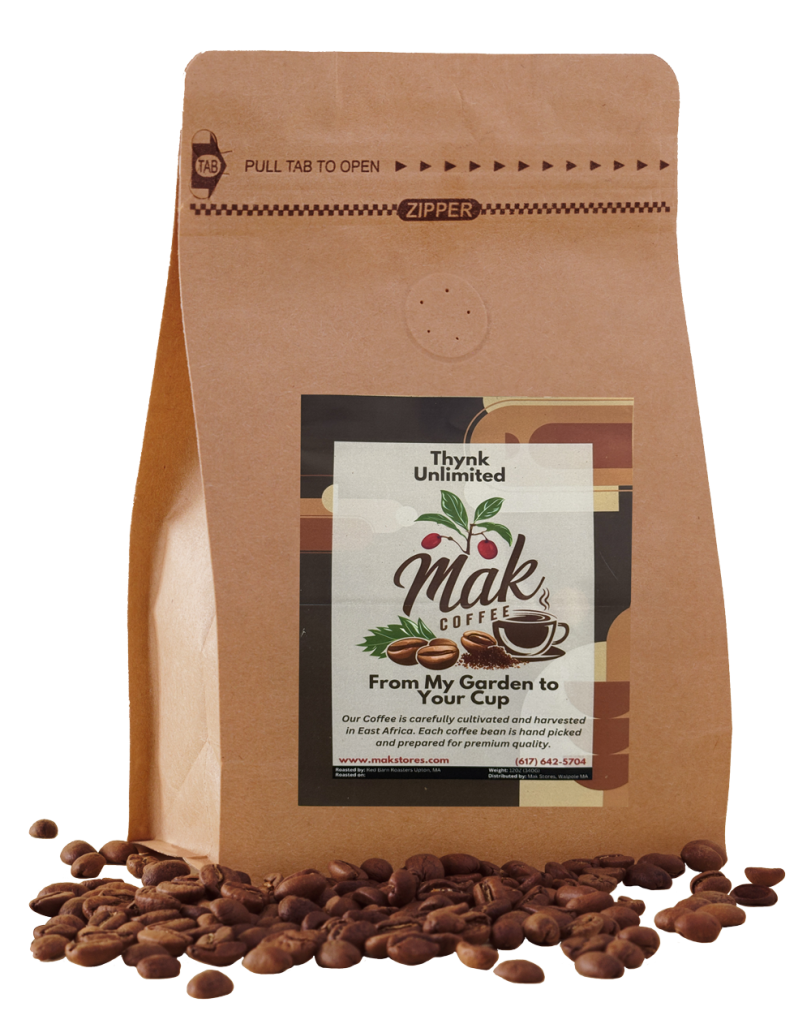
We suggest using a high-quality Arabica coffee to take the guesswork out of it. Our favorite beans are dark and smell like chocolate.
We picked them because they stay smooth and do not turn sour when they hit the high heat of the grill. We even have a simple guide to help you get your grinder to that perfect powder setting. Using the right bean makes all the difference when you want that perfect crust.