

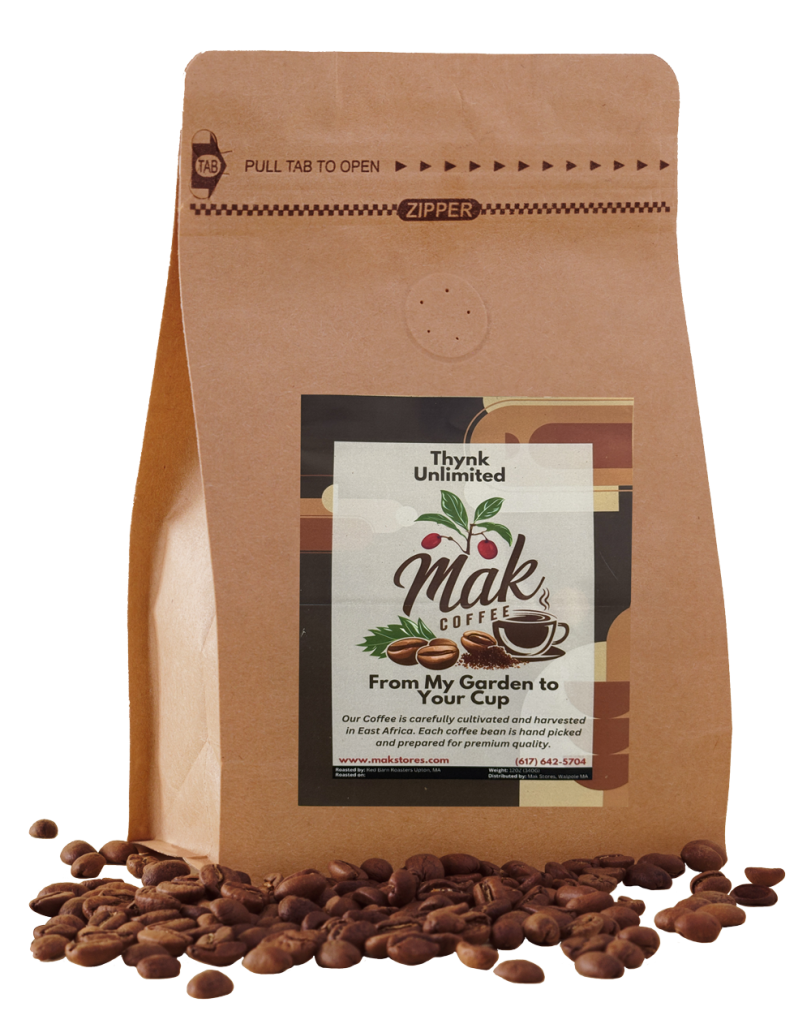
Exploring Ethiopian Yirgacheffe: The birthplace of coffee
Yirgacheffe isn’t just a spot on a map; it’s a sensory experience that sticks with you. Often dubbed the “crown jewel” of the coffee world, this small slice of the Gedeo Zone in southern Ethiopia has basically written the rulebook for floral, citrusy brews. As we head into the 2025/2026 harvest, all eyes are on Yirgacheffe. But it’s not just about that legendary jasmine scent anymore. It’s about how this region is tackling big shifts in sustainable farming and new tech-driven traceability.
The Heritage of the Highlands
Everyone knows the story of Kaldi and his hyperactive goats, right? It’s the classic legend of how coffee was found in the 9th century. But if we peel back the “coffee romance,” Yirgacheffe’s real history is actually about identity.
For a long time, southern coffee was simply poured into one large “Sidamo” bucket. Then came the 1950s. International buyers began to notice something unusual—coffee from a specific high-altitude region (ranging from 1,700 to 2,200 meters) tasted significantly cleaner than the rest. It was so distinct it demanded its own name. By the 70s, Yirgacheffe built Ethiopia’s very first wet-processing mill. That was the “Washed Revolution.” It changed the game for African coffee forever.
2026 Harvest Intelligence: Prices and Reality
If you’re roasting these beans or just a fan of the brew, the 2025/2026 season is… well, it’s complicated. Here’s what’s actually happening on the ground:
- The Yield Dip: Ethiopia is actually hitting record numbers overall (around 11.6 million bags), but the southern highlands are in an “off-cycle” year. Expect Yirgacheffe and Guji yields to be down by about 5% to 7%.
- Price Hikes: In early 2024, you could get cherries for 40 ETB/kg. Now? We’re seeing 120 to 145 ETB/kg. It’s a mix of currency devaluation and exporters fighting over every last bag.
- Natural Processing is Back: Since wet mills are pricey to run, more farmers are trying “New Naturals.” These are sun-dried with extreme care, giving you a punchy, fruit-heavy cup that’s a wild alternative to the classic washed style.
Sensory Profile: Washed vs. Natural
The volcanic soil here is like magic for coffee. It creates a profile you can recognize with your eyes closed.
The Washed Profile (The Classic) This is all about clarity. The fruit skin is stripped off before drying, leaving just the “naked” bean.
- The Vibe: Jasmine, Earl Grey tea, and a squeeze of lemon.
- The Sip: Light, tea-like, and super clean. Use a V60 for this one.
The Natural Profile (The Fruit Bomb) The cherry dries whole in the sun, so the bean soaks up all those fruit sugars.
- The Vibe: Strawberry jam, dried apricots, and honey.
- The Sip: Thick, syrupy, and almost wine-like. It makes a killer modern espresso.
The “Traceability Revolution.”
In 2026, the way we buy coffee is changing. It is no longer just about the taste; it is about the data behind every bean.
New laws in Europe (called EUDR) now require every bag of coffee to have a “digital ID.” This ID proves the coffee did not come from a forest that was cut down recently. To help with this, Ethiopia created a new computer system called ECTMS. This system uses satellite maps to track coffee back to the exact small garden where it grew.
Now, when you buy Yirgacheffe, you can see the exact group of farmers who grew it. This helps protect the beautiful forests of Ethiopia. It also makes sure farmers get a fair price for their hard work.
Brewing Tips for 2026
Don’t “burn” your beans. Yirgacheffe is grown high, making the seeds very dense.
- Water: Use filtered water. Heavy minerals will kill those delicate flower notes.
- Heat: Aim for 92°C to 94°C. Boiling water is too aggressive.
- Ratio: 1:16 (15g coffee to 240g water) is my personal sweet spot for that tea-like clarity.
Final Thoughts
In 2026, the Yirgacheffe region is at a critical turning point. It is working hard to balance the challenges of a changing climate with new, high-tech ways of tracking coffee. At the same time, the people there are keeping their thousand-year-old traditions alive.
The climate is shifting, making it harder to grow coffee in the usual places. To fight this, farmers are using digital tools to map their gardens. This proves their coffee is grown safely without hurting the forest. Even with these new tools, the heart of the coffee remains the same. Whether you enjoy a “washed” coffee that is clean and bright, or a “natural” coffee that is fruity and bold, you are tasting a story that is still being written today.
FAQ’s
1. Is Yirgacheffe really better than Sidamo, or is it just hype?
It’s personal! Yirgacheffe is a tiny area known for “floral elegance.” Sidamo is a huge region with bolder, fruitier vibes. Both are top-tier.
2. Why am I paying so much more for my bag in 2026?
The 2026 harvest is down about 7%. Between higher labor costs and new climate-tech tracking laws, those extra dollars ensure the farmers stay in business.
3. What on earth are “Heirloom” varietals?
In Ethiopia, coffee grows wild. “Heirloom” is just a fancy way of saying “native forest mix” rather than a single lab-bred plant variety.
4. I’m a beginner—is this coffee too “fancy” for my kitchen?
Nope! It’s actually the best “intro” to specialty coffee because it tastes like jasmine tea, not burnt charcoal. It’s incredibly easy to love.
5. How do I make sure I don’t mess up the brew?
Keep your water off the boil (around 93°C) and use a paper filter. Boiling water or “heavy” tap water will drown out those delicate flowers.