

Want to run a faster mile? Looking to add ten pounds to your bench press? Most people head straight to the supplement shop to buy those expensive pre-workout tubs. You know the ones—brightly colored powders full of fake flavors and chemicals that are impossible to spell. But the ultimate fitness hack is likely sitting right on your kitchen counter. It’s a simple cup of coffee.
Coffee is a natural, clean, and seriously powerful way to level up your gym sessions. It isn’t just about “shaking off the sleep.” When you get the timing right, coffee actually changes how your body burns fuel and how your brain handles the “burn” of a tough set. It turns a dragging workout into a high-performance win.
In this guide, we’re going to break down the science of coffee and training. We will show you exactly when to take that first sip and how to find your “sweet spot” so you feel like a beast without getting the shakes.
The Science of Natural Gains
Caffeine is a legit, world-class performance booster. Almost every pro athlete on the planet uses it because, well, it works. Once you drink it, the caffeine hits your blood and heads straight for your muscles and your brain. It does three big things that make your workout feel “easier.”
First, it mobilizes fatty acids. This is just a fancy way of saying it tells your body to burn fat for fuel instead of just using up the sugar stored in your muscles. This keeps you moving for way longer. Second, it blocks a brain chemical called adenosine. As we’ve talked about before, adenosine is what makes you feel heavy and tired. By blocking it, coffee keeps your brain “switched on.”
Third, it lowers your “perception of effort.” This is the best part. It means hard work actually feels less sucky. When you’ve got caffeine in your system, that last mile or that final heavy rep doesn’t feel as painful. You can push harder because your brain isn’t screaming at you to quit as loudly as usual.
Finding the “Golden Window”
Timing is everything in the fitness world. If you’re chugging your coffee while you’re walking through the gym doors, you’ve already missed the boat. Caffeine isn’t instant. It needs time to travel from your gut into your bloodstream and finally park itself in your brain.
The “Golden Window” for a workout is 45 to 60 minutes before you start. This is how long it takes for the caffeine level in your body to hit its peak. If you time it an hour before you lift, you’ll feel that surge of power right when you’re doing your heaviest sets.
If you wait too long, you might “bonk” or crash in the middle of your session. If you drink it too early, you’ll be coming down from the high before you even finish your workout. Set a timer. Drink your cup, get your gear ready, drive to the gym, and by the time your warm-up is done, the caffeine will be ready to work.
The Endurance Edge: Running and Cycling
If you’re a cardio junkie, coffee is your secret weapon. Runners and cyclists need a steady, slow-burn energy. They need their legs to keep pumping for 30, 60, or even 120 minutes without giving out.
Because coffee helps you burn fat for fuel, it’s a lifesaver for long-distance days. It saves your muscle sugar (glycogen) for the very end of the run when you need that “kick” to finish strong. Plus, coffee can actually help open up your airways, making it feel a little easier to breathe when your heart rate is climbing.
For runners, a Light or Medium roast is usually the way to go. It gives you that sharp boost without making your stomach feel like it’s full of bricks while you’re bouncing down the road.
Strength and Focus: Moving Heavy Weight
For the lifters, coffee is all about the “nervous system.” Lifting a heavy-duty barbell requires a lot of what coaches call “neural drive.” Your brain has to send a massive, lightning-fast signal to your muscles to move all at once.
Caffeine sharpens that signal. It makes your reaction time faster and your focus way deeper. When you’re under a heavy squat bar, you need to be 100% “there.” Coffee keeps you in the zone. It also helps with total power. Research shows that lifters using caffeine can often grind out one or two extra reps. Those “grind” reps are where the real muscle growth happens.
Finding Your “Sweet Spot” (Don’t Overdo It)
More coffee does not mean more muscle. If you drink too much, you’re going to get the jitters. Your hands will shake, your heart will feel like it’s trying to escape your chest, and your form will fall apart. Not good.
The “sweet spot” for most people is roughly 3 to 5 milligrams of caffeine for every kilogram of body weight. For a guy or girl weighing about 150 lbs (70kg), that’s usually about two solid cups of coffee.
But look, everyone is different. Some people get “wired” off half a cup. Start small. Try one cup an hour before your next session. If you feel focused and strong, stay there. If you don’t feel a thing, add a little more next time. Don’t go from zero to four cups in one day—that’s a one-way ticket to a panic attack.
The 1:1 Hydration Rule
Coffee is a “diuretic,” which is a fancy word for “it makes you pee.” When you’re sweating in the gym, you’re already losing water. If you aren’t careful, coffee plus a hard workout will leave you feeling like a shriveled raisin.
When you’re dehydrated, your strength disappears. You might feel dizzy or get a nasty headache. To stay safe, use the 1:1 Rule. For every cup of coffee you drink, drink one full glass of water. This keeps your muscles hydrated and helps the caffeine flow through your system without making you feel “dried out” later.
Why Coffee Slaps Synthetic Pre-Workouts
Most pre-workout powders are “fake.” They use lab-made caffeine and are loaded with artificial sweeteners and dyes that can mess with your gut. Ever felt that weird, itchy, tingly feeling on your skin after drinking a pre-workout? That’s from beta-alanine. Some people love it, but for many, it’s just plain annoying.
Coffee is a whole food. It’s packed with antioxidants that help fight inflammation, which might even help you recover faster after you’re done training. It gives you a “smooth” energy curve. You don’t get that scary, heart-thumping spike and the massive crash that the powders cause. Plus, let’s be honest—coffee tastes way better than “Neon Electric Grape” flavor.
The Best Pre-Gym Roast
Not all beans are created equal for the gym. If you want the most “kick,” go for a Light Roast. A lot of people think dark roasts are stronger because they taste “bolder,” but light roasts actually keep more of the natural caffeine during the roasting process.
If your stomach is a bit sensitive, try a Medium Roast. It’s smoother and has less acid. This is a game-changer if you’re doing HIIT or jumping around a lot. You want that energy in your quads, not a rumbly stomach.
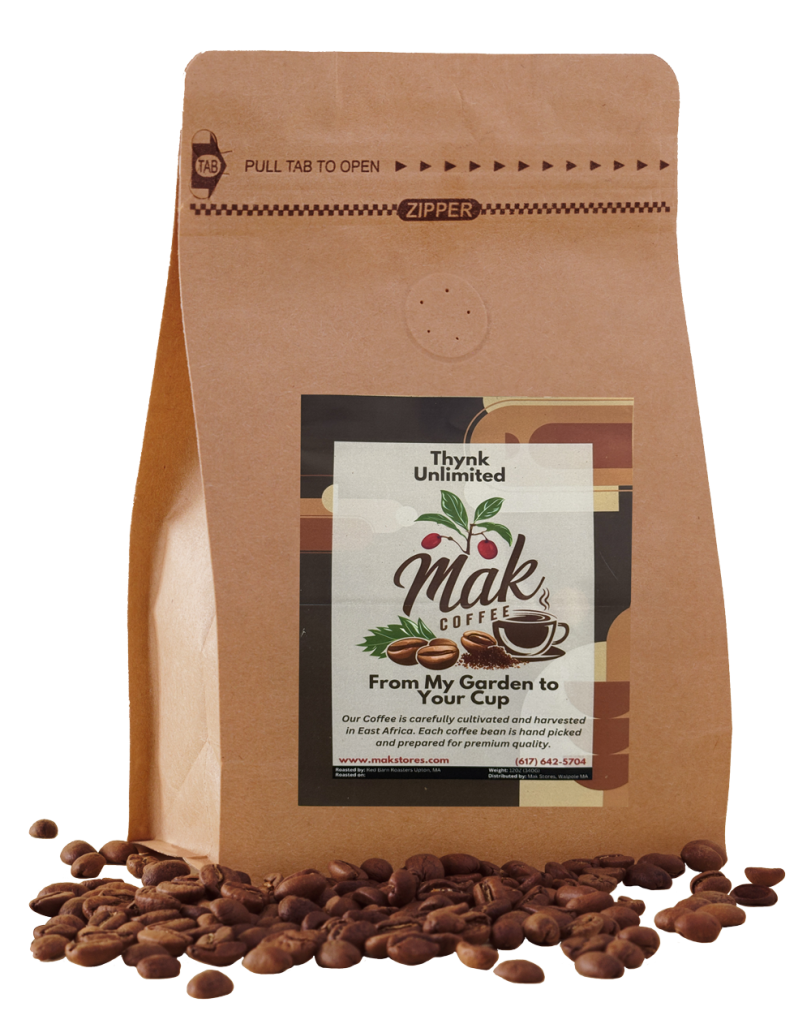
At MAK Coffee Store, we focus on beans that are clean, fresh, and full of life. Freshness is a huge deal for athletes. Old, stale beans lose their “pop” and won’t give you that same mental clarity. Using high-quality beans as your pre-gym ritual ensures you’re putting the best fuel into your engine.
Build Your Ritual
Turn your pre-workout coffee into a ritual. Sit down 60 minutes before you train. Grind those fresh MAK Coffee beans. Take a second to smell the aroma—remember, the scent alone starts waking up your brain’s reward center. Drink it slowly and visualize your workout.
By the time you’re tying your laces and walking through those gym doors, you’ll be peaking. You’ll be motivated, locked in, and ready to crush your personal bests.
Skip the chemicals. Use the power of the bean to reach your goals.
Frequently Asked Questions (FAQs)
Can I put cream and sugar in my pre-workout coffee?
You can, but black is better. Sugar can cause your energy to spike and then tank right in the middle of your workout. Cream can feel “heavy” if you’re doing a lot of movement. Try it black or with a tiny bit of honey for a quick fuel source.
Is it okay to drink coffee before a late-night workout?
Watch out. Caffeine lasts a long time. If you lift at 8:00 PM and drink a double espresso, you won’t be sleeping until 2:00 AM. Sleep is where you actually grow and recover, so don’t ruin your rest for a small gym boost.
Does coffee really help burn more fat?
Yes, in a way. Because it helps move fat into your blood to be used for energy, you might burn a slightly higher percentage of fat during your cardio sessions.