
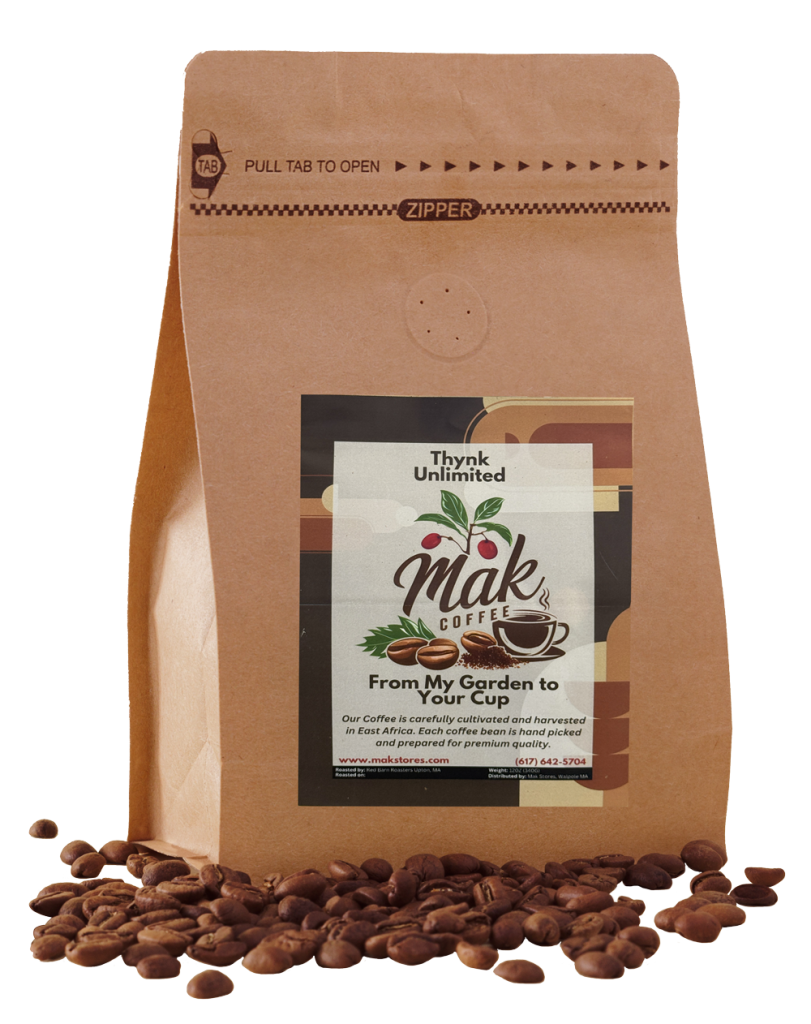
That first cup of coffee can feel like the best part of the morning — right up until it sends you running for the bathroom. If that sounds familiar, you’re not imagining it: there is a real, well-documented link between coffee and loose stools or diarrhea. The good news is that for most people it comes down to a few identifiable triggers, and small changes can fix it without giving up coffee entirely.
Why Coffee Affects Your Bowels
Coffee can speed up digestion through more than one mechanism at once, which is why the effect can feel so sudden.
1. It speeds up gut motility (peristalsis)
Caffeine is a known gastrointestinal stimulant. It increases peristalsis, the wave-like muscle contractions that move food through your intestines. When those contractions speed up, your colon has less time to reabsorb water from waste, which is what produces loose or watery stools.
2. It triggers gastrin and the gastrocolic reflex
Coffee — caffeinated or decaf — prompts your stomach to release more gastrin, a hormone that stimulates stomach acid and gut motility. A controlled 1986 study found that both regular and decaf coffee raised gastrin levels, though regular coffee raised it more, which tells us caffeine isn’t the only trigger. A separate manometry study measuring colon pressure found that coffee stimulated colon activity about as strongly as a full meal — part of what’s called the gastrocolic reflex, your gut’s normal response to incoming food or drink.
3. It’s naturally acidic
Brewed coffee typically sits around pH 5. For a sensitive stomach, that acidity alone can be enough to cause cramping or an unsettled feeling, independent of the caffeine content.
How Much Coffee Is Too Much?
There’s no single universal cutoff — sensitivity to coffee’s effect on the gut varies a lot between individuals. As a general health reference point, the U.S. FDA considers up to 400mg of caffeine a day (roughly four 8oz cups of brewed coffee) safe for most healthy adults. If you notice gut symptoms well below that amount, your body is simply telling you where your personal limit is — and that’s worth listening to rather than pushing through.
Is It the Coffee, or What You’re Adding to It?
Sometimes the coffee itself isn’t the problem — it’s what goes into the cup.
- Dairy and lactose intolerance: if you can’t fully digest lactose, the milk in your latte can cause bloating and diarrhea on its own.
- Sugar alcohols: “sugar-free” syrups often use sorbitol or mannitol, both well-known for a laxative effect even in small amounts.
- FODMAPs: if you have IBS, some creamers and flavored syrups contain high-FODMAP ingredients that can pull extra water into the intestine.
5 Ways to Make Coffee Easier on Your Gut
1. Reach for a darker roast
Roasting coffee longer changes its chemistry. Research out of the Technical University of Vienna identified a compound called N-methylpyridinium (NMP), formed during roasting, that appears to suppress stomach acid production — and dark roasts contain more of it than light roasts. That makes a dark roast a genuinely gentler choice, not just a folk remedy.
2. Try cold brew
Cold brewing extracts coffee without heat over several hours, which pulls out noticeably fewer of the bitter oils and acids than hot brewing methods. Many people with sensitive stomachs find it smoother and less likely to trigger symptoms.
3. Pick a lower-acid origin
Beans grown at lower altitudes, like many from Sumatra or parts of Brazil, tend to be naturally lower in acid than high-altitude beans. If acidity is your main trigger, it’s worth comparing origins — see our Arabica vs Robusta breakdown for how growing conditions change a bean’s chemistry.
4. Never drink it on a completely empty stomach
Having a small snack first gives your stomach acid something to work on besides your stomach lining. See our guide on drinking coffee on an empty stomach for more on this.
5. Swap your milk
If dairy is the likely culprit, oat milk is naturally low-FODMAP and won’t carry the lactose risk, while still buffering some of coffee’s acidity.
Gut-Friendly Coffee Cheat Sheet
| Factor | More likely to trigger symptoms | Gentler choice |
|---|---|---|
| Roast | Light / blonde roast | Dark roast |
| Brew method | Drip / espresso | Cold brew |
| Origin | High-altitude (e.g. Ethiopia, Kenya) | Lower-altitude (Sumatra, Brazil) |
| Add-ins | Dairy, sugar-free syrups | Oat milk, no sugar alcohols |
| Timing | On an empty stomach | After a small snack |
When It Might Be Something More
Coffee doesn’t cause inflammatory bowel disease (IBD), but it can make existing conditions like Crohn’s disease or ulcerative colitis feel worse. If switching roasts and brewing methods doesn’t help, or if you notice blood, unexplained weight loss, or persistent symptoms, talk to a doctor rather than continuing to self-manage — they can rule out an underlying condition with a simple stool test or exam.
Frequently Asked Questions
Does decaf coffee cause diarrhea too?
It can, though usually less often than regular coffee. Studies show decaf still raises gastrin levels and can trigger the gastrocolic reflex — caffeine makes the effect stronger, but it isn’t the only cause.
Is coffee a laxative?
Not technically. It can stimulate bowel movements for many people, but it doesn’t work the way a medical laxative does and shouldn’t be used as a substitute for one.
How quickly does coffee affect digestion?
For many people, it’s fast — often within 4 to 30 minutes — because the gastrocolic reflex responds quickly to anything entering the stomach.
The Bottom Line
Your gut’s response to coffee is personal — what causes no issue for a friend might not work for you, and the reverse is just as true. If coffee and diarrhea are a regular pairing for you, start with the easiest fix: switch to a dark roast, don’t drink it on an empty stomach, and watch what you’re adding to the cup. Small changes usually solve it without giving up your morning ritual.
Sources: Technical University of Vienna research on N-methylpyridinium and gastric acid; gastrin and coffee consumption study (Rhodes et al., 1986, cited via Inverse); colon manometry and coffee study (cited via Inverse); U.S. FDA caffeine guidance.