
Choosing the right plant-based milk for your latte art can feel like a high-stakes chemistry experiment. You want that silky, “wet paint” texture, but instead, you often get a watery mess. Or worse, you get a layer of soapy bubbles that ruins the look. This happens because plant milks are structurally different from dairy. They lack the specific casein and whey proteins that make cow’s milk so stable.
However, it is now 2026, and the “creamy gold standard” has evolved. Whether you are a home barista or a professional, mastering these alternatives is vital. It is all about managing heat and air. This guide will show you how to turn these plant-based options into a masterpiece. We will dive deep into the science, the technique, and the flavors.
The Science of Microfoam: Why Plant Milks “Split”
In dairy milk, fats and proteins create a protective shield around air bubbles. This is the foundation of microfoam. Most plant-based alternatives are colloids. They are a mixture of water, plant solids, and oils. When these are exposed to high heat or high acidity, they can denature. This causes the milk to coagulate, curdle, and split.
The Problem: Grainy Texture or Curdling
If your latte looks like it has sand in it, the milk has “broken.” This usually happens when the milk hits 65°C (150°F). The proteins lose their shape and clump together.
The Cause: Excessive Heat and Acidity
Plant proteins are far more heat-sensitive than dairy. High temperatures break the emulsion, leading to separation. The Maillard reaction (the browning of sugars) also happens differently. If you go too hot, the sugars turn bitter rather than sweet.
The Solution: The “Cool” Method
Keep your steaming temperatures between 55°C and 60°C. Stop steaming just before the pitcher becomes too hot to touch. This protects the protein structure. It also prevents the “screeching” sound of burnt milk. Using filtered water for your espresso also helps. It reduces the mineral reactions that trigger curdling.
Oat Milk: The Creamy Gold Standard
Oat milk is the undisputed champion for latte art in 2026. It mimics the carb and fat density of whole milk perfectly. It is the most versatile option for pouring complex designs. You can achieve beautiful Slowsettas or delicate Tulips with ease.
The Texture
It produces a thick, velvety microfoam with a glossy finish. The mouthfeel is almost identical to high-fat dairy.
The Flavor
The taste is subtly sweet and cereal-like. It highlights the notes in a Medium Roast without overpowering them. It is especially good with Gourmet Coffee that has chocolatey or nutty undertones.
Barista Tip: Use “Barista Edition”
Always look for a “Barista Edition” oat milk. These contain acidity regulators like dipotassium phosphate. These ingredients act as a buffer. They stop the milk from curdling when it hits the acidic environment of a Single Origin espresso.
Almond Milk: High-Protein but Fragile
Almond milk is a favorite for its nutty, toasted flavor. However, it is notoriously “finicky” to steam. It has a high protein content but very little fat. This leads to a foam that is quite fragile.
The Problem: Large, Soapy Bubbles
Almond milk takes on air far too quickly. If you “stretch” it for too long, you get bubbles like a bubble bath. This foam separates from the liquid almost instantly.
The Solution: Short Stretching
Introduce air (the “stretch” phase) for only two or three seconds. You want to hear a few quick “slurps.” Then, immediately bury the tip of the steam wand. This starts the rolling phase. A strong vortex will break those big bubbles into tiny ones.
Pairing with the Right Bean
Almond milk pairs beautifully with African Coffee. The nutty notes complement the floral and citrus profiles of beans from Ethiopia or Kenya. To keep the milk stable, try a Dark Roast which has lower perceived acidity.
3. Potato Milk: The 2026 Trend for Heat Stability
The newest contender in the coffee world is Potato milk. While it sounds unusual, it is a 2026 favorite. Its claim to fame is incredible Heat Stability.
Why it Works
Potato milk is naturally starchy. This starch creates a “buffer” against heat. It makes it almost impossible to curdle, even in very hot or acidic coffee.
The Texture and Appearance
It produces an incredibly white, opaque foam. This provides high contrast for your art. Designs pop against the dark crema of the espresso. It is often enriched with rapeseed oil for a creamy finish.
Pro Tip: Agitation is Key
Potato milk is thick. You may need to “agitate” or swirl the pitcher more aggressively. This keeps the foam and liquid integrated before you pour. If it sits for ten seconds, it will begin to stiffen.
Troubleshooting Common Latte Art Pain Points
Even with the right milk, things can go wrong. Here is how to fix the most common issues.
Problem: The Foam Stays in the Pitcher
Cause: You didn’t “roll” the milk enough. The thick foam is sitting on top of a watery liquid.
Solution: Ensure you create a strong vortex in the pitcher. This “folds” the foam into the liquid. The milk should look like glossy, melted marshmallows.
Problem: The Design is Blurry or Fades
Cause: The milk was too hot, or your beans were stale.
Solution: Check the roast date on your Specialty Coffee. Fresh beans produce more CO2. This creates a stronger “canvas” of crema for the milk to sit on. If the crema is thin, the milk will just sink.
Problem: The “Screeching” Wand
Cause: The wand is too deep too early, or the milk is too hot.
Solution: Start with the tip near the surface to introduce air. If it screeches, move the pitcher slightly to change the angle. You want a quiet, whispering sound during the rolling phase.
The Master Technique: Stretching vs. Rolling
To get that “wet paint” look, you must master two distinct phases.
Phase 1: Stretching (Aeration)
This is when you add air. Keep the steam wand tip near the surface. You should hear a light paper-tearing sound. For Oat milk, stretch until the pitcher feels lukewarm. For Almond, stop much sooner.
Phase 2: Rolling (Texturing)
Bury the tip slightly and tilt the pitcher. You want the milk to spin like a whirlpool. This vortex is what incorporates the air bubbles into the liquid. It turns “bubbles” into “microfoam.”
How to Choose Your Coffee for Alt-Milk
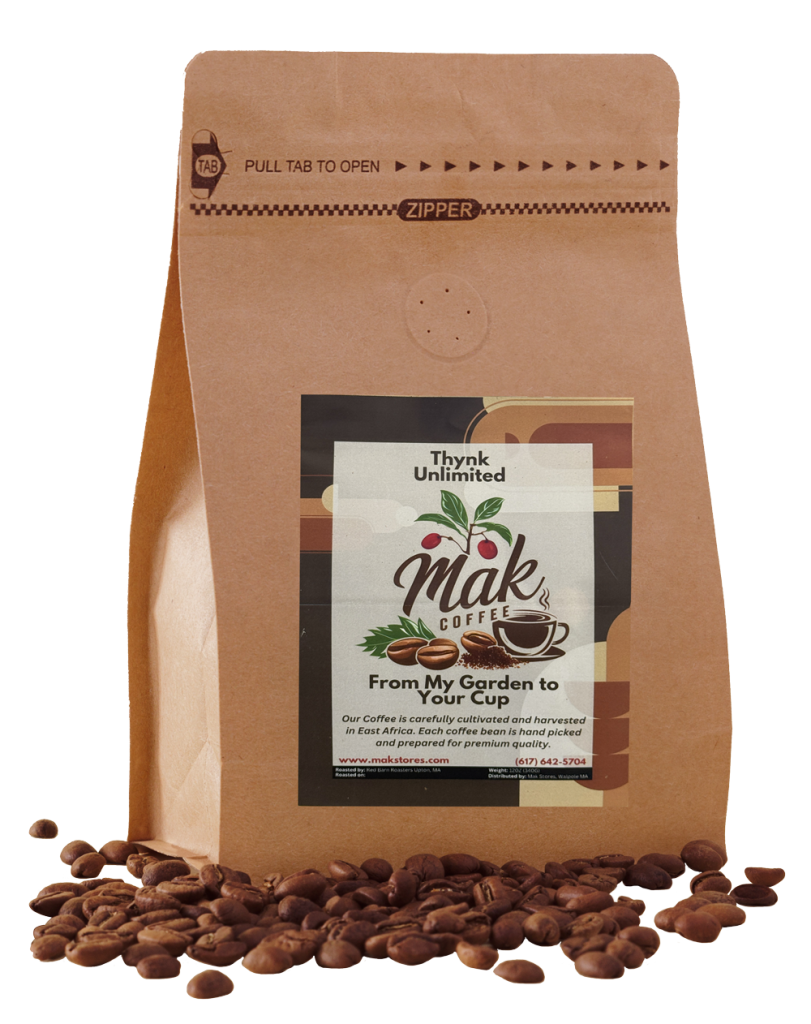
The type of coffee you buy at the MAK Store changes how your milk behaves.
- Arabica Coffee: Higher quality and generally more balanced. It is less likely to have the harsh acids that curdle soy or almond milk.
- Decaf Coffee: Often has a different chemical structure due to the decaffeination process. It may produce a thinner crema. Use Oat milk to compensate for the lost body.
- Flavored Coffee: Can be tricky. Some flavorings are acidic. Stick to a Barista Edition milk to ensure stability.
Tips for Better Plant-Based Steaming at Home
- Start Cold: Always take your milk straight from the fridge. Colder milk gives you more time to work on the texture before it gets too hot.
- Use a Scale: Consistency is the secret to art. Weigh your milk every time. 200ml is usually perfect for a standard latte.
- Clean Your Wand: Plant milks (especially Soy) bake onto the steam wand instantly. Wipe it with a damp cloth and purge the steam immediately after use.
- Tap and Swirl: After steaming, tap the pitcher on the counter to pop any large bubbles. Then, swirl it vigorously. It should look like wet paint.
Indirect Commercialization Tip
If you find your plant-based lattes too sweet, look at your roast. Try pairing Oat milk with a Dark Roast or Gourmet Coffee from our store. These bolder, smokier beans provide a perfect bitter contrast to the natural sugars in the oats.
Comparison Summary: Which One Should You Pour?
| Milk Type | Best For | Temperature Limit | Art Difficulty |
| Oat | Professional Latte Art | 60°C | Easy |
| Almond | Low-Calorie Nutty Flavor | 55°C | Hard |
| Potato | Heat Stability & Contrast | 65°C | Medium |
| Soy | High-Protein Foam | 55°C | Medium |
Is it Time to Switch Your Beans?
The secret to a great plant-based latte isn’t just the milk. It is the bean. High-quality Arabica Coffee with lower acidity will always play better with alternatives.
If you are using Almond milk, avoid very light, “fruity” roasts. They will almost always curdle. Instead, look for beans with chocolate, caramel, or spice notes. These flavors create a bridge between the nuttiness of the milk and the boldness of the coffee.
The Verdict: Who Wins in 2026?
If you want the best results today, Oat Milk remains the winner. It is the most forgiving and the most delicious. However, if you are tired of milk splitting in your hot espresso, Potato Milk is the game-changer for 2026.
Don’t settle for “okay” foam. You deserve a cup that looks as good as it tastes. With a little practice and the right temperature control, you can pour professional-level art at your kitchen counter.
Next Step:
Ready to test your skills? Grab a bag of our Single Origin beans or join our Subscription. This ensures you always have a fresh “canvas” of beans to practice your art.