
Walking into a local coffee shop just feels different. You know that vibe? It’s the instant mood boost you get from the smell of fresh beans being ground and the steam from the machine. You order a cup, and it’s just perfect—totally smooth and perfectly balanced. But then the next morning at home, that “magic” is nowhere to be found.
Even if you’re using the same beans, your home brew ends up tasting bitter or just plain watery. It’s honestly so annoying because you feel like you’re following all the rules, yet the result feels like a cheap knock-off. Here is the truth: it isn’t some big industry secret. It is a system. Shops just pay attention to tiny details that we usually ignore when we are half-asleep in our kitchens. Let’s fix your morning brew right now, and don’t worry—you won’t need a science degree to do it.
The Real Reasons Your Home Brew is Failing
If you’re going to fix your coffee, you first have to find where the “leak” is in your process. Usually, that weird or off-putting taste comes from one of these five specific spots.
1. The Age of the Beans
Most people still grab their coffee from the grocery store. Honestly? I think that is a huge mistake. Those bags sit on store shelves for months at a time, and that kills the flavor. You have to think of coffee beans like fresh bread or veggies from the garden—they go bad.
The clock starts ticking the very second the beans are roasted. The best coffee shops only use beans roasted within the last two weeks. Once they get old, they lose their natural oils and those amazing aromas. You’re left with a cup that tastes stale, flat, and let’s be real, pretty boring.
- exactly what you need. No more, no less.
2. The “Pre-Ground” Trap
Buying coffee that’s already ground up means you’ve basically lost the flavor battle before you even start. Coffee starts to oxidize—which is just a fancy way of saying it starts to die—the minute it’s ground and exposed to air. It is exactly like cutting an apple. If you leave those slices out, they turn brown and lose their sweetness. Opening a bag of pre-ground coffee means you are losing the “soul” of the beans.
3. Water Quality (The Invisible Ingredient)
A cup of coffee is almost 100% water. So, if your tap water tastes like pool chemicals or “pipe” flavor, your coffee is going to taste like that too.
Think about it this way: coffee shops spend a small fortune on filters so their water tastes like absolutely nothing. They want a “blank canvas.” If your water is full of minerals, it’s like trying to paint a masterpiece on a dirty piece of paper. The colors—or in this case, the flavors—just won’t look right. Switching to filtered water is the easiest fix on this list.
4. Inconsistent Grind Size
This is a huge factor that most people totally miss. If your coffee grounds look like a messy mix of powder and big chunks, they are going to brew at different speeds. The tiny powder bits get bitter while the big chunks stay sour. Most home grinders have blades that just chop beans into random, messy sizes. Pro shops use “burr” grinders that shave the beans into perfectly equal pieces so they all brew the same way.
5. Temperature and Ratios
Most home drip machines just don’t get hot enough to do the job. To get the good stuff out of the bean, your water needs to be between 195°F and 205°F. If your machine only hits 180°F, your coffee will always taste weak. Also, if you’re just “eyeballing” your scoops, you are probably using too much water. Consistency is the only way to stop the guesswork and get a good cup.
How to Fix Your Coffee (The Action Plan)
The good news is that you don’t need a $5,000 espresso machine. You just need to change a few simple habits. Here is how to actually step up your game.
Step 1: Buy Fresh and Local
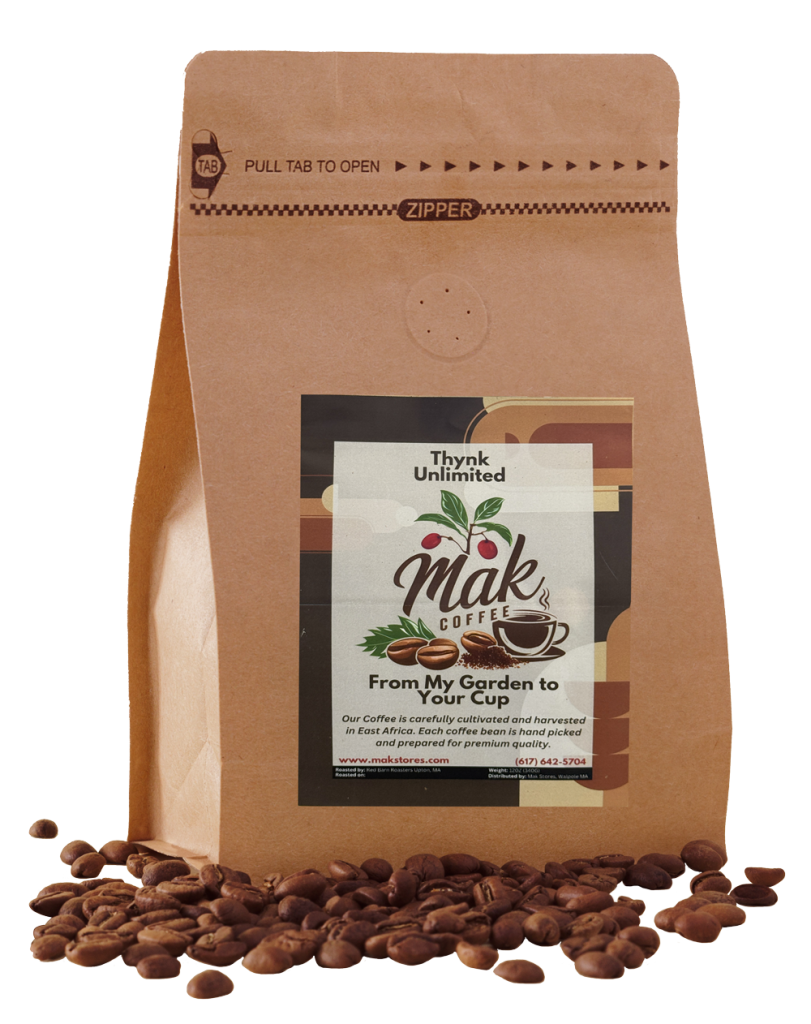
Stop buying coffee from the big grocery aisles. Instead, find a local roaster in your city. You can find the best whole bean or ground coffee at the MAK Store. Check the bag for a “Roasted On” date. If it only has an “Expiry Date,” put it back. You want beans roasted within the last 7 to 21 days. This one move will fix about half of your flavor problems instantly.
Step 2: Get a Burr Grinder
If you buy one piece of gear this year, make it a burr grinder. Unlike blade grinders that just smash beans, a burr grinder uses two surfaces to crush the coffee to a specific size. This gives you a “clean” taste.
- Coarse: Best for French Press.
- Medium: Great for Drip or Pour-over.
- Fine: Only if you are making Espresso.
Step 3: Use Filtered Water
You don’t need a lab setup. A simple charcoal filter pitcher or even bottled spring water makes a massive difference. By getting rid of the chlorine, you finally let the natural sweetness and acidity of the bean actually show up in the mug.
Step 4: Use a Scale (Stop Eyeballing!)
In the coffee world, we talk about “Ratios.” A great start is a 1:16 ratio. That means for every 1 gram of coffee, you use 16 grams of water.
Try this: Use 20 grams of coffee and 320 grams of water. A cheap kitchen scale takes all the mystery out of your morning. It makes sure your coffee isn’t strong one day and watery the next.
Step 5: Check Your Temp
If you use a kettle, let the water come to a boil and then let it sit for about 30 seconds. This drops the temp to that “sweet spot” of 200°F. Boiling water will actually scorch the beans and make them taste burnt. If it’s too cool, the coffee just tastes thin.
A Quick Cheat Sheet for Different Methods
| Method | Grind Size | Brew Time | Pro Tip |
| French Press | Coarse (like sea salt) | 4 Minutes | Don’t press it down right away; stir the “crust” first. |
| Pour-over | Medium (like table salt) | 3 Minutes | Pour in slow circles to wet all grounds evenly. |
| Drip Machine | Medium | Varies | Use a reusable gold-tone filter for more natural oils. |
| AeroPress | Fine-Medium | 2 Minutes | Perfect for people who like a much stronger cup. |
Upgrading Your Gear Without Going Broke
You don’t need to go into debt for a better morning. If you want to move away from that basic drip machine, try this:
- The Manual Route: A glass Pour-over or a French Press is cheap (usually under $30) and gives you total control.
- The Grinder: Look for a manual hand-crank burr grinder. It is the best money you will ever spend on your kitchen.
- The Kettle: A “gooseneck” kettle helps you pour slowly, which is a must for pour-over coffee.
Why Your Neighborhood Shop Wins
There is one more thing shops have that we often miss: Community knowledge. The baristas in your town actually know the local water. They know which beans grow best in your climate. Next time you’re at your favorite spot, just ask: “Hey, what temperature do you brew this at?” Most coffee people love to talk shop. They can tell you exactly how to get the best out of the bag you just bought.
Summary
Making coffee that tastes like the shop isn’t about magic or expensive secrets. It is just about fresh beans, clean water, and a consistent grind.
If you start by just buying fresh beans and grinding them yourself with filtered water, you will be shocked at how much better your mornings feel. You don’t have to settle for “okay” coffee ever again. With these small tweaks, you can basically turn your own kitchen into the best coffee shop in town.
Sign up for MAK Store Subscription today!