
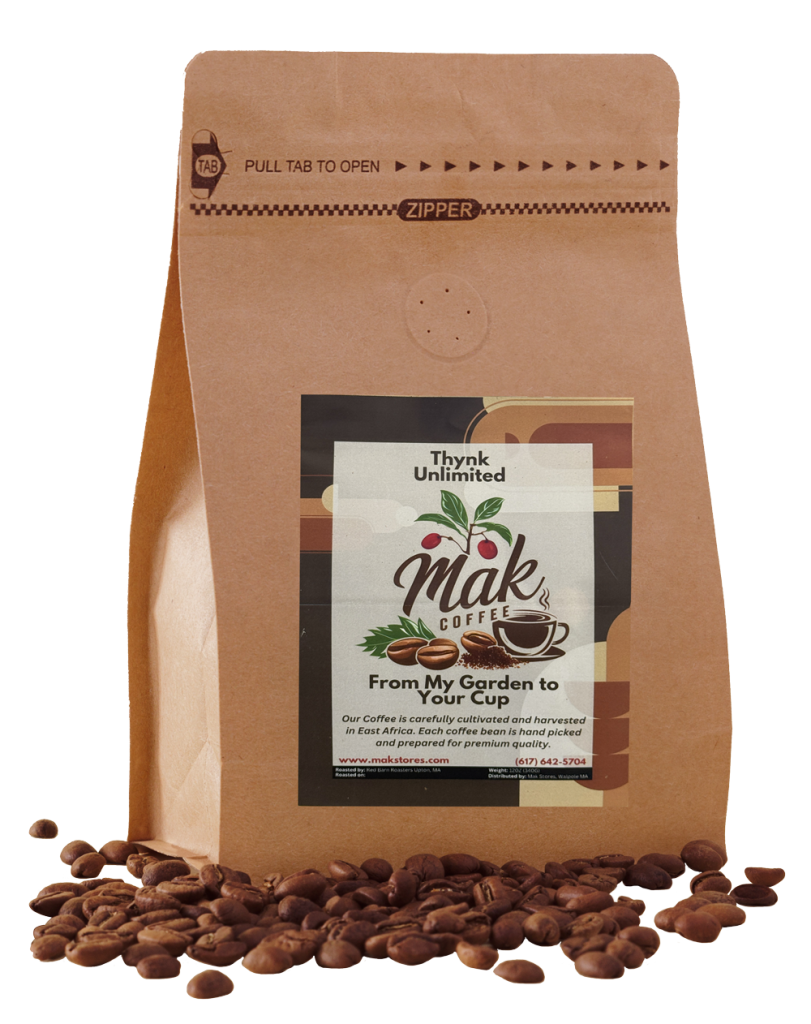
Have you ever walked into a coffee shop and seen words like “single-origin” or “direct trade” on the menu? This isn’t just fancy talk! It’s a big part of the third-wave coffee movement.
Think of it as a journey. Coffee has had a long, interesting history with three big “waves” that changed how we drink it.
This movement is all about seeing coffee not just as a drink, but as an artisanal product with its own story. It’s about respecting the coffee’s journey from the farm to your cup.
The Three Waves of Coffee: A Quick History Lesson
To understand the third wave, let’s look at the first two that came before it.
- First Wave (The Age of Convenience)
This wave was all about making coffee easy and available for everyone. Companies like Folger’s mass-produced coffee and sold it in supermarkets. It was simple and often came as instant coffee.
People loved coffee for its caffeine kick, but they didn’t really care about its quality or where it came from.
The goal was to produce a lot of coffee for a low price, which often meant farmers weren’t paid well. The environment suffered, with rainforests being cleared for huge coffee farms.
- Second Wave (The Age of Experience)
This wave was led by big companies like Starbucks. Coffee became more than just a quick drink; it was an experience.
Coffee shops became a “third place”—a comfy spot between work and home where you could meet friends or study.
Drinks like lattes and frappes became popular. Attention was paid to things like origin and roasting styles. However, the focus remained on a general, flavored experience rather than the beans’ unique qualities.
What Makes Third-Wave Coffee Different?
The third wave is a big shift. It’s all about quality, transparency, and craftsmanship. It moves away from the old ideas of just selling a product and focuses on the story behind each cup.
Key Features of the Third Wave
Here are the key features of the third-wave coffee:
High-Quality Beans
Third-wave coffee is all about specialty coffee. The Specialty Coffee Association (SCA) grades coffee on a 100-point scale, and for it to be called “specialty,” it must score 80 points or higher. This high standard ensures you get an amazing, flavorful drink.
Traceability and Direct Trade
You’ll often see the name of the farm or farmer on a bag of third-wave coffee. This is because roasters want to be transparent.
They work directly with the farmers, which is called direct trade. This practice ensures the farmers get a fair price for their hard work. It builds a stronger relationship between the people who grow the coffee and the people who drink it.
Sustainability
This movement is deeply invested in the environment. It pushes for sustainable farming practices, like shade-grown coffee and organic farming methods. The goal is to make sure coffee can be grown without harming the planet.
Honoring Craftsmanship
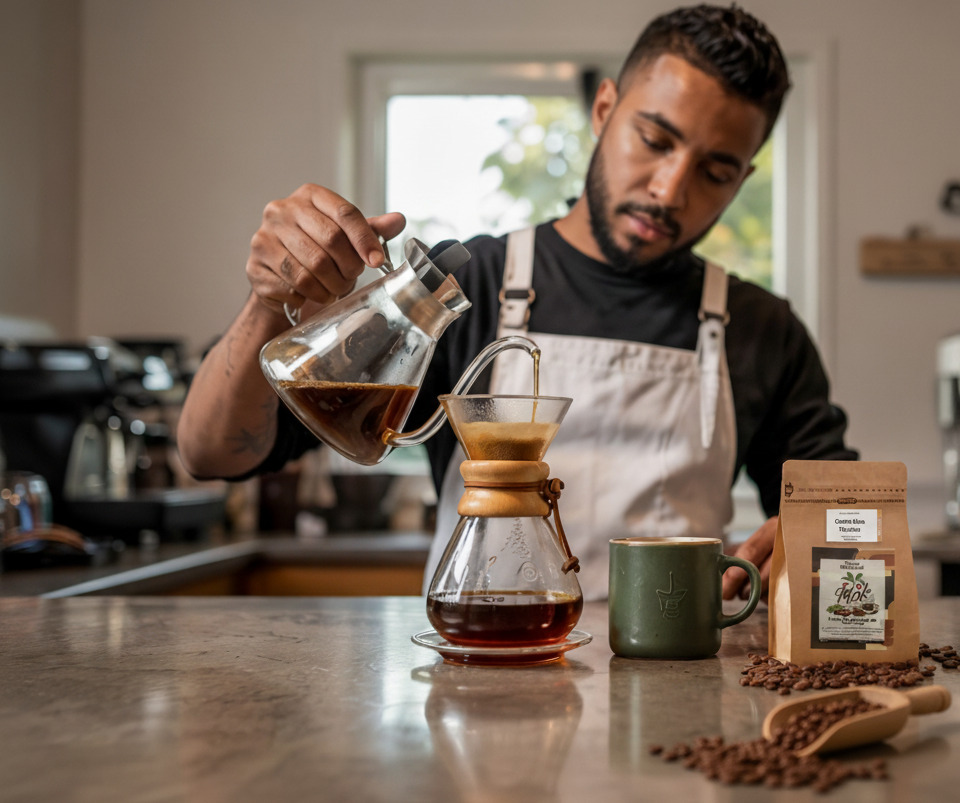
In a third-wave coffee shop, a barista isn’t just someone who makes drinks. They are a skilled professional, almost like a chef, who understands how to brew coffee to bring out its best flavors. They use special techniques and equipment like the Aeropress or Chemex to create a perfect brew.
The Story Behind Your Cup
Third-wave coffee is a story. It’s a narrative of the land, the climate, and the hands that nurtured the beans. When you sip a cup, you’re not just drinking coffee; you’re tasting notes like honey, berries, or orange. This rich flavor profile is a direct result of the best care that goes into every step.
Roasting techniques can highlight a bean’s unique characteristics, and brewing methods can bring out subtle flavors. Every choice made in the process is to elevate the coffee experience.
This focus on authenticity and depth is why so many people are drawn to the third wave. It’s a way to feel connected to the coffee community and the history of the drink.
What’s the Difference Between Third Wave vs. Specialty Coffee?
You might hear these two terms used together, but they mean different things. It’s important to ensure you understand the distinction.
Specialty coffee is a high-quality ingredient. It’s the coffee bean itself, graded on a point system by certified Q-graders. It’s the product of specific microclimates and careful production.
Third-wave coffee is the experience and the mindset. It’s the culture and the way we appreciate coffee. It’s the dedication of the roasters and baristas to make the perfect cup for you. You can have specialty coffee that isn’t third-wave (if it’s not brewed with care, for example), but you can’t really have third-wave coffee without specialty beans.
You can understand it better with this table:
| Feature | Third-Wave Coffee | Specialty Coffee |
| Main Idea | The experience and the mindset. | The high-quality ingredient. |
| What It Is | The culture of appreciating coffee. | The coffee bean itself. |
| How It’s Measured | Not measured by a score, but by craftsmanship and customer service. | Graded on a 100-point scale by certified Q-graders (must score 80+). |
| Focus | The dedication of roasters and baristas to make the perfect cup. | The product of specific microclimates and careful production. |
| Relationship | The experience needs high-quality beans to exist. | The beans can exist without the “third-wave” culture. |
A Growing Culture and a Possible Fourth Wave
The third-wave coffee movement is about more than just a drink. It’s about a shared passion. Coffee shops are now places for workshops and tasting events where people can learn and bond over their love for coffee.
Some people even talk about a “fourth wave” coming. This next wave might focus even more on the science of coffee, including a deeper understanding of soil and coffee plants. It could also address bigger problems like climate change and fluctuating coffee prices that threaten the livelihoods of coffee farmers.
Whatever comes next, the third wave has changed coffee for the better. It has created a world where people are more informed and invested in their brew, a world that benefits every part of the supply chain, from the farm to your cup.