
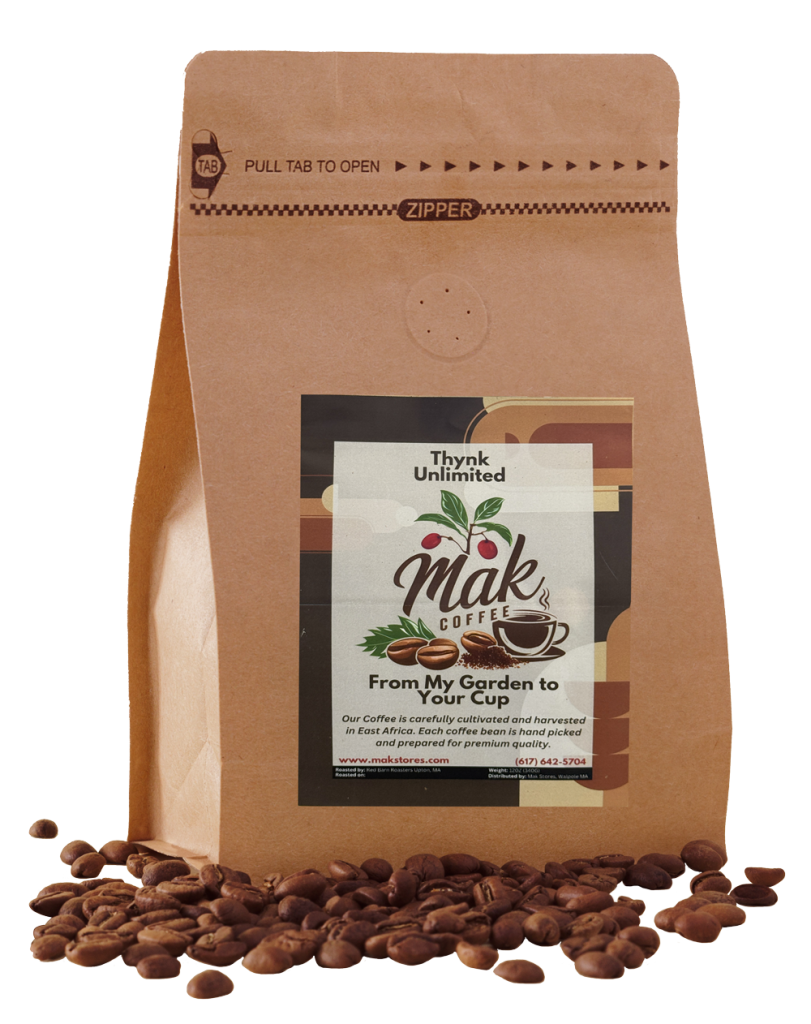
“Specialty coffee” gets used loosely as a marketing word, but it’s actually a defined grade with a real scoring system behind it. Here’s what the term means on paper, how coffee earns it, and how it’s different from the size/defect grading codes (like AA or Grade 1) you might see on a bag.
The SCA 100-Point Cupping Scale
The Specialty Coffee Association (SCA) scores coffee on a 100-point scale through a structured tasting process called cupping, judging attributes like aroma, flavor, acidity, body, balance, and aftertaste. Coffee that scores 80 points or above qualifies as specialty grade. Below that line, it’s considered commercial or commodity-grade coffee, regardless of how it was grown.
Within the specialty range, the score communicates real quality tiers:
- 80–84.99: Very Good
- 85–89.99: Excellent
- 90–100: Outstanding
It’s Not Just a Taste Score — Defects Count Too
Specialty grade isn’t only about how the coffee tastes in the cup. The green (unroasted) beans themselves have to meet a strict physical standard: specialty-grade coffee is allowed 0 to 5 defects per 350 grams (about 12 ounces) of milled beans. A defect here means things like broken beans, insect damage, or beans that didn’t ripen properly — each one can throw off flavor in the cup, so the physical standard and the taste score work together.
How This Is Different from Size/Defect Grading (AA, AB, Grade 1, etc.)
If you’ve read about codes like AA, AB, or PB on a Kenyan bag, or Grade 1 on an Indonesian one — that’s a separate system, based mainly on bean size and physical sorting at origin, done by local grading boards before export. It tells you about the bean’s physical characteristics, not necessarily its cupping score. A coffee can be graded AA by size and still fail to reach specialty-grade quality in the cup, and vice versa. Specialty grade, by contrast, is specifically a quality and defect classification tied to that 80-point cupping threshold, and it’s what determines whether a coffee can legitimately be marketed as “specialty.”
Specialty vs. Commercial Coffee: What Actually Changes
Commercial or commodity-grade coffee — the kind that fills most supermarket cans and big blended brands — is optimized for consistency and low cost at huge volume. It can still be scored, but it typically falls below the 80-point threshold. Specialty coffee, by nature of the strict defect limit and cupping requirement, tends to come from smaller, more carefully managed lots where growing conditions — altitude, rainfall, soil, and processing — are allowed to show through in the cup, rather than being blended out for uniformity.
Specialty vs. Commercial Coffee at a Glance
| Factor | Specialty Grade | Commercial Grade |
|---|---|---|
| SCA cupping score | 80 points or above | Below 80 points |
| Defects per 350g | 0–5 | Higher, less strictly limited |
| Typical lot size | Smaller, traceable lots | Large-volume, blended |
| Flavor consistency | Varies by harvest — terroir shows through | Engineered for year-round uniformity |
| Where you’ll see it | Independent roasters, cafes, single-origin bags | Mass-market cans and blends |
How to Actually Know What You’re Buying
A bag that genuinely earned specialty grade will usually say so explicitly, often alongside a cupping score or at least the origin and processing details that go with careful sourcing. Our specialty coffee selection is sourced specifically to meet that standard — not just labeled with the word.
Frequently Asked Questions
Who actually scores coffee for specialty grade?
Trained and certified cuppers — often Q Graders, a certification specific to coffee quality assessment — evaluate green and roasted samples using the SCA’s standardized cupping protocol to assign a score.
Can a coffee be single-origin but not specialty grade?
Yes. Single-origin only describes where the coffee came from, not its cupping score. A single-origin lot can score below 80 points if the growing, processing, or sorting wasn’t careful enough.
Is specialty coffee always more expensive?
Generally yes, since the smaller lot sizes, strict defect sorting, and the extra care needed to hit a high cupping score all add cost compared to large-volume commercial coffee.
Does a high AA or Grade 1 label mean the coffee is specialty grade?
Not automatically. Those labels describe bean size and physical sorting, done separately from cupping. A coffee can carry a top size grade and still not reach the 80-point specialty threshold in the cup, though well-grown beans often do well on both.
Sources: SCA cupping scale and specialty-grade defect standards referenced from Specialty Coffee Association grading documentation.