
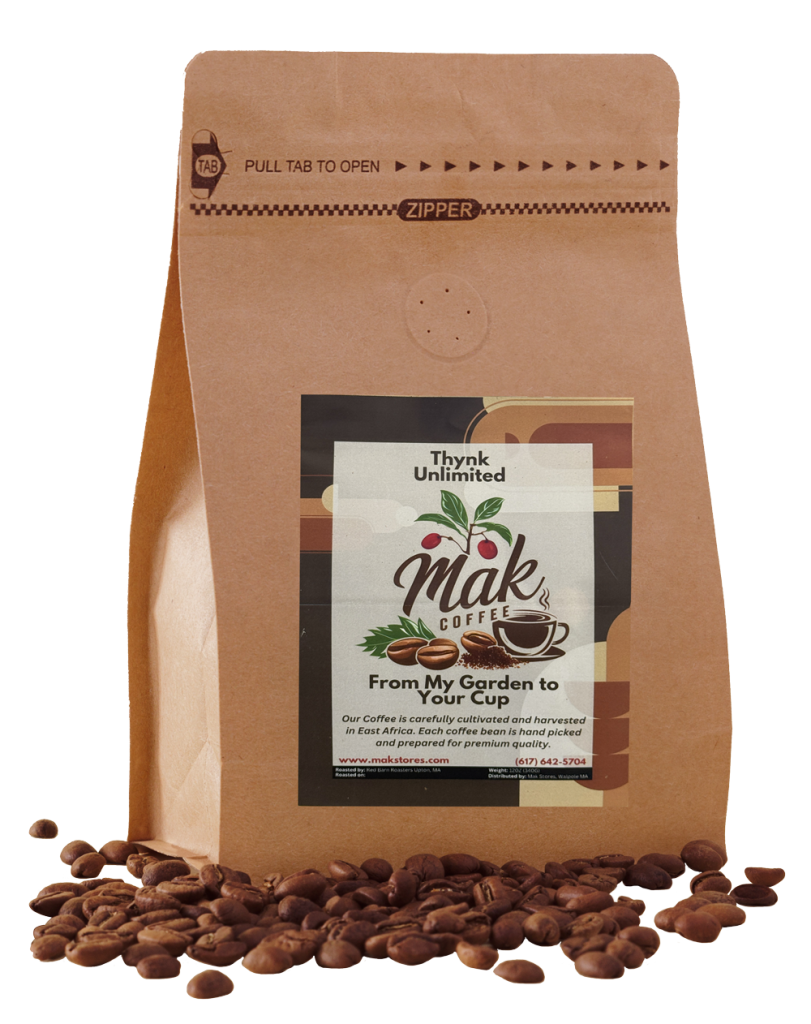
Decaf has a reputation problem — a lot of people assume it’s stripped with harsh chemicals and tastes like cardboard as a result. Some decaf is made that way. But the process behind our decaf, the Swiss Water Process, is chemical-free, and understanding how it actually works explains why good decaf can taste close to the real thing.
How Caffeine Actually Gets Removed
All decaffeination happens to green (unroasted) coffee beans, before roasting. There are two broad approaches used across the industry:
- Chemical solvent methods use a solvent — most commonly methylene chloride or ethyl acetate — to bond with and extract caffeine molecules directly from the beans or from a water solution the beans are soaked in.
- Water/CO2-based methods, including the Swiss Water Process, remove caffeine using water, temperature, and time alone, with no solvent ever touching the beans.
How the Swiss Water Process Specifically Works
The Swiss Water Process relies on something called Green Coffee Extract (GCE) — a solution of water that’s already saturated with all of green coffee’s soluble compounds (sugars, oils, acids) except caffeine. When new green beans are soaked in this GCE, caffeine moves out of the beans and into the solution through diffusion, because the solution already contains everything else the beans would otherwise lose — flavor compounds stay put, and only caffeine migrates out. The caffeine-saturated extract is then filtered through activated carbon, which traps the caffeine and lets the GCE be reused for the next batch. The entire process takes roughly 8–10 hours and removes approximately 99.9% of the caffeine, while no solvent of any kind ever contacts the coffee.
Why This Affects Taste
Because flavor compounds are protected by the pre-saturated GCE rather than stripped out alongside the caffeine, water-based decaf tends to preserve more of the bean’s original character than aggressive solvent extraction can. That’s the main reason well-processed water-decaf coffee can taste noticeably closer to its caffeinated counterpart than older-style chemically stripped decaf.
Decaffeination Methods Compared
| Method | Uses Chemical Solvent? | How It Works | Typical Caffeine Removed |
|---|---|---|---|
| Swiss Water Process | No | Diffusion via Green Coffee Extract (water-based) | ~99.9% |
| CO2 Process | No (uses pressurized CO2) | CO2 acts as a solvent to bond with caffeine, then releases it under pressure change | ~97–99% |
| Methylene Chloride | Yes | Solvent bonds directly with caffeine in soaked beans | ~96–97% |
| Ethyl Acetate (“natural” process) | Yes (derived from fruit/vegetables) | Solvent extraction, often marketed as natural | ~96–97% |
Is Decaf Actually 100% Caffeine-Free?
No method removes caffeine completely. Even well-processed decaf retains a small trace — typically a few milligrams per cup, compared to roughly 80–100mg in a regular cup. For most people this is negligible, but if you’re avoiding caffeine entirely for a medical reason, it’s worth knowing “decaf” means caffeine-reduced, not caffeine-zero.
Choosing a Decaf Worth Drinking
Look for the process named on the bag — roasters proud of a water-based or CO2 decaf will usually say so, since it’s a genuine selling point. Our decaf coffee is processed this way specifically so you’re not trading flavor for a lower-caffeine cup.
Frequently Asked Questions
Is Swiss Water Process decaf organic?
The process itself is chemical-free, which makes it compatible with organic certification, but the organic status of the final coffee still depends on whether the green beans themselves were grown and certified organic before processing.
Does decaf coffee have any caffeine at all?
Yes, a small amount. Even at 99.9% removal, a cup of decaf typically has a few milligrams of caffeine, versus roughly 80–100mg in a regular cup — far less, but not technically zero.
Why does some decaf taste flat or bitter?
Older or lower-quality solvent-based decaffeination can strip out more flavor compounds along with the caffeine, which is part of why decaf earned a reputation for tasting dull. Water-based processes like Swiss Water are designed specifically to avoid that trade-off.
Is CO2 decaf better than Swiss Water decaf?
Both are solvent-free and well-regarded; CO2 processing is more commonly used for large commercial volumes, while Swiss Water is prized for flavor preservation. Neither is objectively “better” — the quality of the final cup still depends heavily on the bean and roast.
Sources: decaffeination process details referenced from the Swiss Water Process and general industry documentation on solvent and water-based decaffeination methods.