
The AeroPress has a cult following for a reason — it’s fast, nearly foolproof, and makes a genuinely good cup with almost no cleanup. Here is the simple, original method invented by Aerobie founder Alan Adler, plus the one popular variation worth knowing.
What You Need
| Item | Amount / Spec |
|---|---|
| Coffee | 20g, fine grind (between espresso and drip) |
| Water | 90g (about 3oz), heated to 176°F / 80℃ |
| Filter | 1 paper AeroPress filter, rinsed |
| Total brew time | Under 2 minutes |
A note on water temperature: 176°F is well below boiling. If you do not have a temperature-controlled kettle, boil water and let it sit off the heat for roughly 30 seconds before using it.
The Original AeroPress Method
- Rinse a paper filter in the cap with hot water to remove papery taste, then screw the cap onto the chamber and set it on your mug.
- Add 20g of finely ground coffee to the chamber.
- Pour in 90g of water at 176°F, filling to roughly the 1.5-2 mark on the chamber.
- Stir gently for 10 seconds to make sure all the grounds are saturated.
- Insert the plunger and press down slowly and evenly over 20-40 seconds, using just the natural weight of your hand and arm; you should not need to force it.
- Stop pressing as soon as you hear a hissing sound, which means you have pushed through the grounds and are now pressing air.
What you are left with is a smooth, concentrated brew; strong enough to drink as-is, or topped up with hot water for an Americano-style cup.
The Inverted Method: What is Different
The “inverted” technique flips the AeroPress upside down before brewing, so the plunger sits at the bottom and the coffee steeps on top of it, open to the air, before you attach the filter cap and flip it right-side up to press. The appeal is longer, more controlled steep times without the risk of water dripping through early, since nothing can pass through the filter until you flip it. It is a slightly fiddlier setup, but many competition brewers prefer it specifically for that steep-time control.
Common Mistakes That Ruin the Cup
- Grinding too coarse: an AeroPress needs a fine grind closer to espresso than to drip coffee; too coarse and the brew tastes weak and sour.
- Water too hot: near-boiling water over-extracts and pulls out bitter compounds; 176°F is the sweet spot.
- Pressing too hard or fast: forcing the plunger channels water unevenly through the grounds instead of extracting evenly, and risks a blowout.
- Skipping the filter rinse: an unrinsed paper filter can leave a faint papery taste in a drink this concentrated, where every flavor note is more noticeable.
Which Beans Work Best
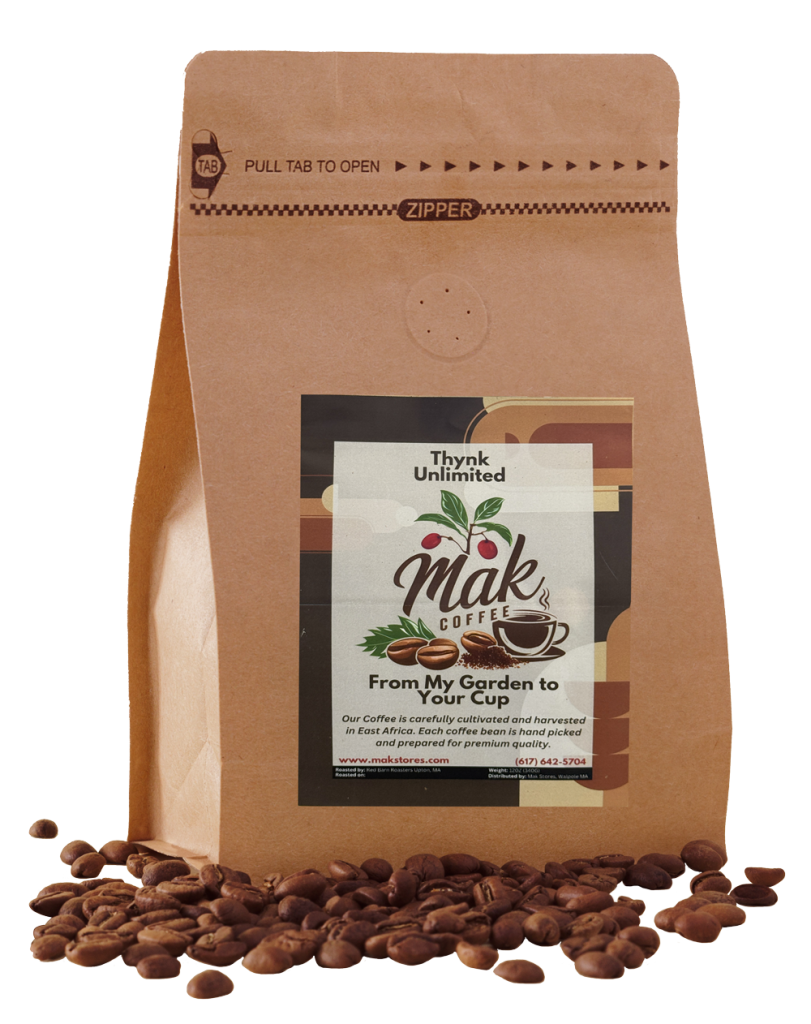
Because the AeroPress brews quickly under pressure, it is forgiving with almost any roast level, which is part of why it travels so well. Freshly ground whole bean coffee makes the biggest difference in cup quality here, since pre-ground coffee loses aroma fast; our whole bean coffee is roasted to order so you are grinding it as close to brew time as possible.
Frequently Asked Questions
Is the AeroPress recipe the same for every bean?
The 20g-to-90g ratio is a reliable starting point, but lighter roasts can take slightly longer steeps or a touch more agitation to extract fully, while darker roasts extract faster and can turn bitter if over-steeped. Adjust steep time in small increments rather than changing the ratio first.
Do I need special AeroPress filters?
The AeroPress uses its own small paper filters, sized specifically for the device; standard drip filters will not fit. Reusable metal filters are also available if you want to skip paper entirely, though they let more fine sediment through.
Why does my AeroPress coffee taste sour?
Sourness usually means under-extraction, most often from too coarse a grind, water that was not hot enough, or too short a steep before pressing. Tightening the grind slightly is usually the fastest fix.
Can I make a full mug instead of a concentrate?
Yes; the 20g/90g ratio produces a strong, espresso-like concentrate meant to be topped up with hot water. For a full mug without dilution, increase the water to roughly 200-220g while keeping the coffee dose the same, and expect a milder, more drip-coffee-like result.
Sources: brewing method and ratios based on Alan Adler’s original AeroPress recipe and standard AeroPress brewing documentation.