
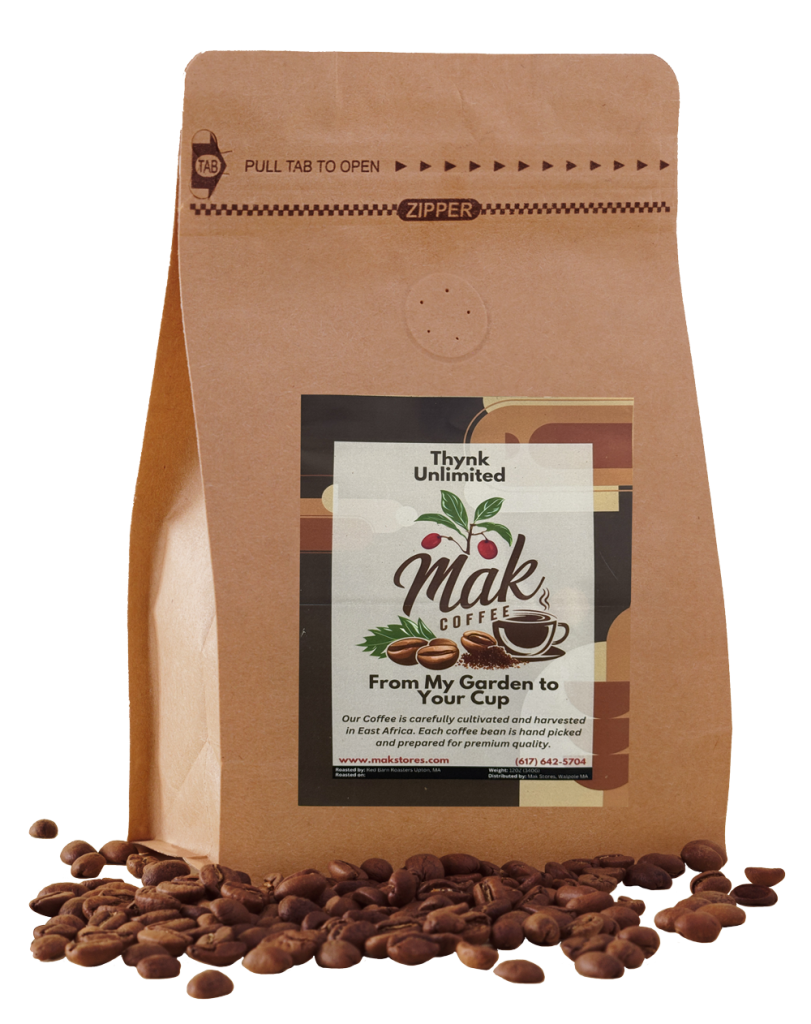
You’ll see it printed on bags everywhere: “single origin.” It sounds like a quality stamp, and often is — but it actually describes something specific about where the coffee came from, not how good it tastes. Here’s what the term really means, and when it genuinely matters.
What “Single Origin” Actually Means
Single-origin coffee comes from one place — usually one country, often one specific growing region, and sometimes a single farm or even a single lot within that farm. Nothing in the bag is mixed in from anywhere else. That’s the entire definition; it says nothing by itself about quality, roast, or flavor.
A blend, by contrast, combines beans from two or more origins in one bag, roasted and mixed together (or roasted separately and blended after) to hit a specific flavor target.
Why Roasters Blend Coffee in the First Place
Blending isn’t a shortcut — it’s its own skill. Roasters blend for two main reasons:
- Flavor design: combining origins the way a bartender builds a cocktail, balancing a bright, acidic coffee against a heavier, chocolatey one to create a specific, repeatable taste.
- Consistency and cost: single farms have variable harvests from year to year; blending lets a roaster smooth that out and hit the same flavor profile every time, at a price point that works.
Neither of these is a red flag. A well-made espresso blend, for example, is often deliberately built from several origins because no single farm’s beans give the exact balance of sweetness, body, and crema a good espresso shot needs.
Why Single Origin Matters When It Does
What single-origin coffee gives you that a blend generally can’t is terroir — the specific fingerprint of one place. Altitude, soil, rainfall, the variety grown, and how it was processed all show up distinctly in the cup when nothing else is mixed in. That’s also why serious single-origin bags tend to come with real information on the label — farm or region, altitude, variety, processing method — because the roaster has nothing to hide behind. If it tastes thin or flat, there’s no stronger blend partner to cover for it.
In that sense, choosing single origin is less about it being objectively “better” and more about transparency: you’re tasting one place, as-is, the way you might taste a single-vineyard wine instead of a table blend.
Single Origin vs. Blend at a Glance
| Factor | Single Origin | Blend |
|---|---|---|
| Source | One farm, region, or country | Two or more origins combined |
| Flavor consistency year to year | Varies with each harvest | Engineered to stay consistent |
| What you taste | Terroir — the specific place | A designed flavor profile |
| Label transparency | Usually detailed (farm, altitude, process) | Often lists a flavor style, not sourcing |
| Best for | Exploring origins, pour-over, filter brewing | Espresso, everyday consistency |
How to Taste Like It’s Single Origin
If you want to actually notice what makes a single-origin coffee distinct, brew it as simply as possible — a pour-over or drip method lets the bean’s own character come through more clearly than milk-and-espresso drinks do. Our single-origin coffee selection lists the growing region on every bag for exactly this reason — so you know what you’re tasting before the cup even hits the table.
Frequently Asked Questions
Is single-origin coffee always higher quality than a blend?
Not automatically. Quality depends on how the beans were grown, processed, and roasted — a poorly handled single-origin lot can taste worse than a well-built blend. Single origin mainly guarantees traceability and a distinct, unmixed flavor, not superiority.
Can single-origin coffee still have different flavors in the same bag?
Yes, within limits. “Single origin” can mean one country, one region, or one farm — a country-level single origin (like “Ethiopia”) can still blend lots from several farms within that country, so some variation is normal.
Why do espresso blends rarely use single origin?
Espresso extraction is demanding — it needs the right balance of sweetness, acidity, and body to avoid tasting harsh or thin. Blending origins gives roasters more control over hitting that balance consistently, shot after shot.
Does single origin mean the coffee is directly traceable to one farm?
Sometimes, but not always — it depends on how specific the labeling is. A bag can be single origin at the country or regional level without naming an individual farm; look for the word “estate,” a specific farm name, or a lot number if full traceability matters to you.