
Walk into any cafe in summer and you’ll see both on the menu — but “cold brew” and “iced coffee” are not the same drink wearing two names. They’re brewed differently, taste different, and even behave differently in your fridge. Here’s what actually separates them.
The Core Difference: How Each One Is Brewed
Cold brew is steeped, not brewed hot. Coarsely ground coffee sits in cold or room-temperature water for 12–24 hours, typically at a concentrated ratio of around 1:8 (coffee to water). No heat touches it at any point.
Iced coffee is regular hot-brewed coffee — made with a drip machine, pour-over, or similar method at around 198–200°F — that is then cooled and poured over ice, or brewed double-strength and diluted with ice as it melts.
Caffeine: Cold Brew Usually Wins
Because cold brew concentrate is made at a much higher coffee-to-water ratio and extracted over many hours, it generally ends up with more caffeine per ounce than hot-brewed iced coffee. A 16-ounce cold brew typically lands around 185–205mg of caffeine, compared to roughly 165mg for a 16-ounce iced coffee — though exact numbers vary by bean, roast, and how a cafe dilutes its cold brew.
Why Cold Brew Tastes Smoother
Heat is an efficient solvent — it pulls oils, acids, and bitter compounds out of coffee quickly, which is exactly why hot-brewed coffee (and the iced coffee made from it) has more pronounced acidity and bitterness. Cold water extracts much more slowly and selectively, pulling out fewer of the bitter compounds (like certain chlorogenic acid lactones) and less of the acidity. The result is a naturally smoother, lower-acid cup — which is also why people with acid-sensitive stomachs often tolerate cold brew better than hot coffee.
Iced coffee keeps the fuller, brighter flavor profile of hot-brewed coffee, just served cold — some people prefer this livelier acidity, especially with lighter roasts.
Cold Brew vs. Iced Coffee at a Glance
| Factor | Cold Brew | Iced Coffee |
|---|---|---|
| Brewing method | Steeped in cold water, 12–24 hrs | Hot-brewed, then cooled over ice |
| Grind size | Coarse | Medium to fine |
| Typical ratio | ~1:8 (concentrate) | ~1:15–1:17 (standard brew strength) |
| Caffeine (16oz) | ~185–205mg | ~165mg |
| Acidity | Lower | Higher (full hot-brew acidity) |
| Flavor | Smooth, mellow, slightly sweet | Bright, bold, closer to hot coffee |
| Fridge life (concentrate/brew) | Up to ~7 days | 1–3 days |
Which Beans Work Best for Each
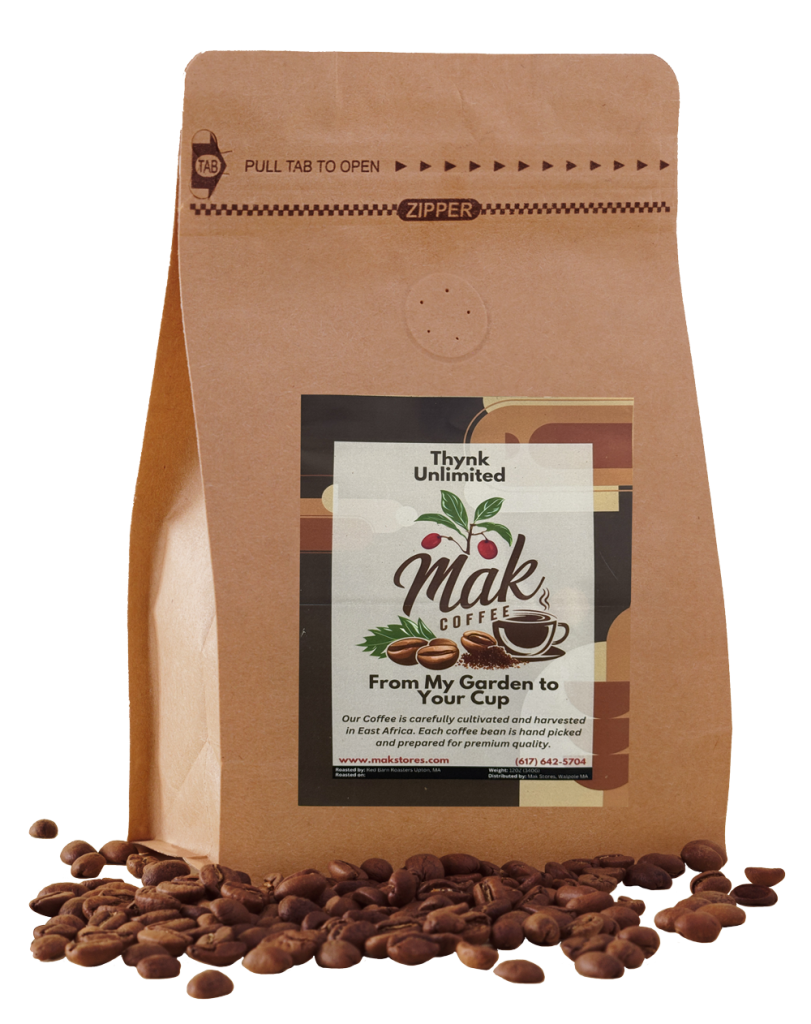
Because cold extraction is gentler, it tends to flatter beans with natural sweetness and chocolatey, nutty notes — our cold brew coffee selection is roasted and ground specifically for this long, cold steep. For iced coffee, a medium or light roast with brighter acidity holds up well even after it hits the ice, since you want that character to still show through once it’s cold.
How to Make Each One at Home
Cold Brew
- Combine coarsely ground coffee with cold water at roughly 1:8 (adjust to taste)
- Steep at room temperature or in the fridge for 12–24 hours
- Strain through a fine mesh or paper filter
- Dilute the concentrate with water, milk, or ice to taste before serving
Iced Coffee
- Brew coffee hot as you normally would, slightly stronger than usual to account for melting ice
- Pour immediately over a full glass of ice so it chills fast (this limits oxidation and bitterness)
- Serve right away for the brightest flavor
Frequently Asked Questions
Is cold brew just iced coffee made differently?
No — they start from a different brewing process entirely. Iced coffee is hot-brewed coffee cooled down; cold brew never touches hot water at any stage. That difference in extraction is what drives the gap in acidity, bitterness, and caffeine.
Does cold brew have more caffeine than regular hot coffee?
Ounce for ounce, cold brew concentrate usually has more caffeine than a standard cup of hot coffee, mainly because it’s brewed at a stronger ratio. Diluted cold brew (as most cafes serve it) still tends to edge out iced coffee in caffeine content.
Can I make cold brew with any coffee beans?
Yes, though medium and dark roasts with chocolatey or nutty notes tend to shine in cold brew, since the long steep softens acidity and brings out natural sweetness.
Why does my iced coffee taste watered down?
Standard-strength hot coffee poured over ice gets diluted as the ice melts. Brewing it 20–30% stronger than usual, or using coffee ice cubes instead of regular ice, keeps the flavor intact.
Sources: brewing ratio and extraction data referenced from industry brewing guides; caffeine figures are typical ranges and can vary by bean, roast, and preparation.