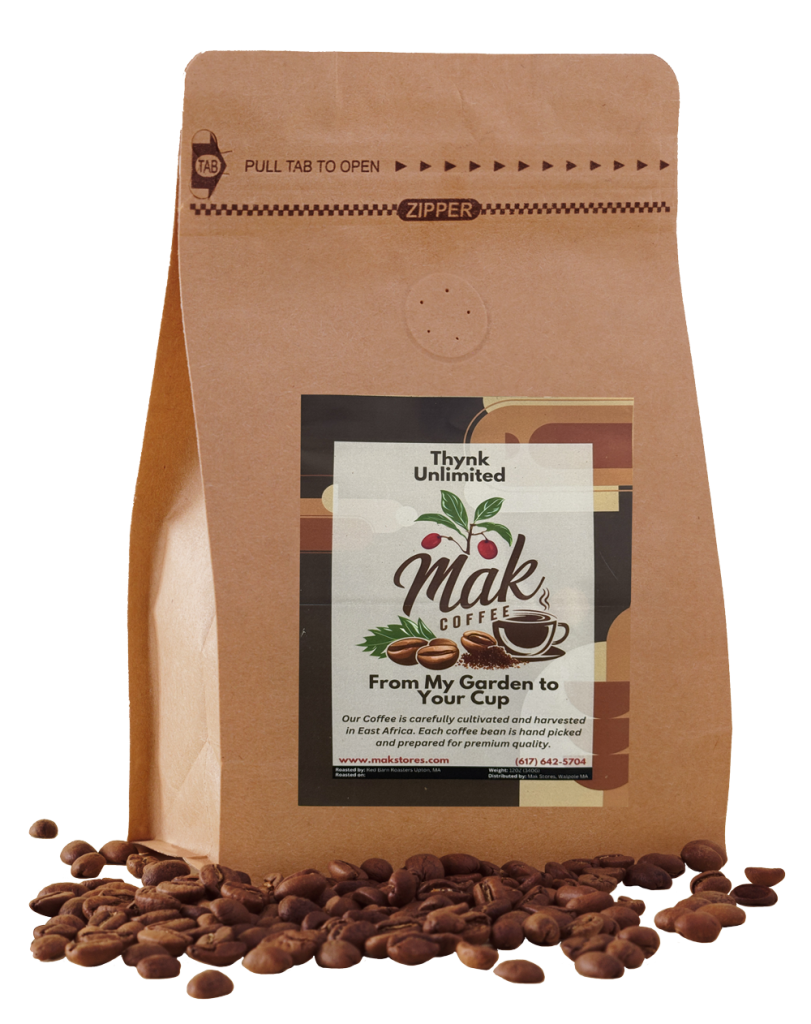
Ever wondered what those cryptic letters and numbers on your coffee bag signify? They’re actually part of the fascinating world of coffee bean grading systems, acting like a quality report card for your future whole bean coffees.
From Brazil’s defect counts like “2/3” to the size sorting indicated by “SC 14/16,” these codes offer clues.
Altitude plays a role, with “SHB/SHG” signaling high-grown, flavorful beans, while “HB” suggests a slightly lower elevation.
Unique processes like Peru’s “MCM” and the meticulous “EP” preparation also have their marks.
Some systems, like “G1, G2, G3,” directly denote bean imperfections, while others, such as “AA/AB/PB,” focus on bean size and shape.
Even lower-grown “SS” and standard “FC” crops have their identifiers, and the simple “SCR” highlights bean size.
What Those Letters and Numbers Actually Mean
The codes stamped on a coffee bag aren’t marketing fluff — they’re a shorthand that exporters and roasters use worldwide, and each region grades on slightly different criteria: defect count, growing altitude, bean size, or how the beans were processed. Here’s what the most common codes actually mean.
Coffee Grading Codes at a Glance
Code
Common Region
Graded By
What It Tells You
2/3, 4/5…
Brazil
Defect count per sample
Lower number = fewer defects, better quality
SHB / SHG
Central America
Altitude (4,000ft+)
Slow-grown, usually more complex flavor
HB
Central America
Altitude (3,300–4,000ft)
Good balance of quality and price
SS
Central America
Altitude (below 4,000ft)
Milder, smoother, less acidic cup
AA / AB / PB
Kenya, Tanzania, PNG
Bean size and shape
AA = largest; AB = mid-size blend; PB = peaberry (prized, concentrated flavor)
G1–G3
Ethiopia and specialty lots
Defect count
G1 = cleanest, specialty-grade; higher numbers = more tolerance for flaws
MCM
Peru
Machine cleaning/sorting method
Cleaner, more consistent batch
EP
Various origins
Hand-sorting before export
Defective beans manually removed
FC
Various origins
Harvest timing, not defect count
Fresh crop, budget-friendly, more variable
Brazil 2/3 — defect-count grading
Brazil grades green coffee by counting defects in a 300g sample. Grade 2 allows roughly 4–6 defects, Grade 3 allows roughly 7–12, so “2/3” sits between the two — a solid, dependable mid-tier bean rather than top-lot specialty coffee.
SHB, SHG, and HB — altitude grading
Strictly Hard Bean (SHB) and Strictly High Grown (SHG) mean the same thing: beans grown above roughly 4,000 feet, mostly in Central America. The cooler air slows ripening, which tends to build more complex acidity and flavor. Hard Bean (HB) covers the 3,300–4,000ft range — still dense and flavorful, just a step below SHB/SHG.
SS — Strictly Soft Bean
Grown below 4,000 feet, these beans ripen faster and develop a softer structure, which usually means a smoother, milder, less acidic cup — a good fit if you find high-altitude coffee too sharp.
AA, AB, and PB — size and shape grading
Used widely in Kenya, Tanzania, and Papua New Guinea, this system sorts beans by screen size rather than defects. AA is the largest standard grade and often commands a premium. AB is a blend of the slightly smaller A and B screen sizes — still high quality, just smaller. PB (peaberry) isn’t a defect at all: it’s a single rounded bean that forms naturally inside the cherry instead of the usual two flat-sided beans, occurring in about 5–10% of any harvest, and many roasters sell it separately for its denser, sweeter flavor.
G1 to G3 — specialty defect grading
Common on Ethiopian and other specialty lots, this scale counts defects per sample. G1 is the cleanest and most sought-after for specialty coffee; G2, G3, and beyond allow progressively more minor flaws.
MCM and EP — processing and sorting grades
MCM (Machine Cleaned Mejorado), seen on Peruvian coffee, means the beans went through mechanical cleaning and sorting to remove defective beans. EP (European Preparation) means the opposite step was done by hand — workers manually inspect and remove broken or discolored beans before export. Both signal extra quality control at origin.
FC — Fair to Current Crop
This one is about timing, not quality: “Current Crop” means the beans are from the most recent harvest. “Fair” signals the beans don’t meet the uniformity or defect standards of the grades above, making FC a reasonable, budget-friendly, if less consistent, everyday option.
Why These Grades Matter When You’re Buying Coffee
A grade isn’t a guarantee of taste — flavor is still subjective, and the skill of the farmer, the processor, and the roaster matters just as much as the code on the bag. But grading gives you a useful starting point: if you like bright, complex coffee, look for SHG/SHB or G1. If you want larger beans with a bold character, AA-grade coffee is a reliable signpost. If you’re curious about altitude-driven flavor differences across a specific region, our Central America collection is a good place to compare SHB, HB, and SS side by side.
Think of the grade as a clue, not the whole story — and don’t be afraid to try beans with different codes and origins until you find what you actually enjoy drinking. Explore our full range of beans to put these grades into practice in your own cup.
What are the different grades of coffee beans?
Coffee beans are graded by size (like AA), how high they grew (like SHG), and how many bad beans are in the batch (like G1, G2).
Does Grade 2 mean coffee beans have fewer than 13 defects?
In coffee grading systems, Brazil allows up to 6-8 defects for Grade 2 and up to 12-13 defects for Grade 3, while Central American systems (like Costa Rica and Guatemala) allow up to 8-10 defects for Grade 2, and Kenya allows up to 7-8 defects for Grade AB.
Which coffee beans are the highest quality?
Generally, beans with a larger size (like AA in some regions), grown at high altitudes (SHG/SHB), and with the fewest defects (like G1) are considered the highest quality.
What is AAA grade coffee?
AAA grade is often seen as the very best, with large, perfect beans that were carefully picked and sorted, usually having a complex and rich flavor.